The trusted encyclopedia for Thai Buddhist amulets
SadhuSG preserves, catalogues, and shares trusted knowledge about temples, teachers, amulets, and Kathas — combining the openness of Wikipedia with the community of Reddit, curated by moderators who care about accuracy.
Featured Temples
View all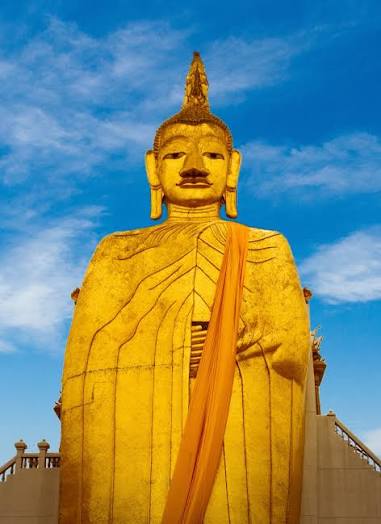
Featured Teachers
View all
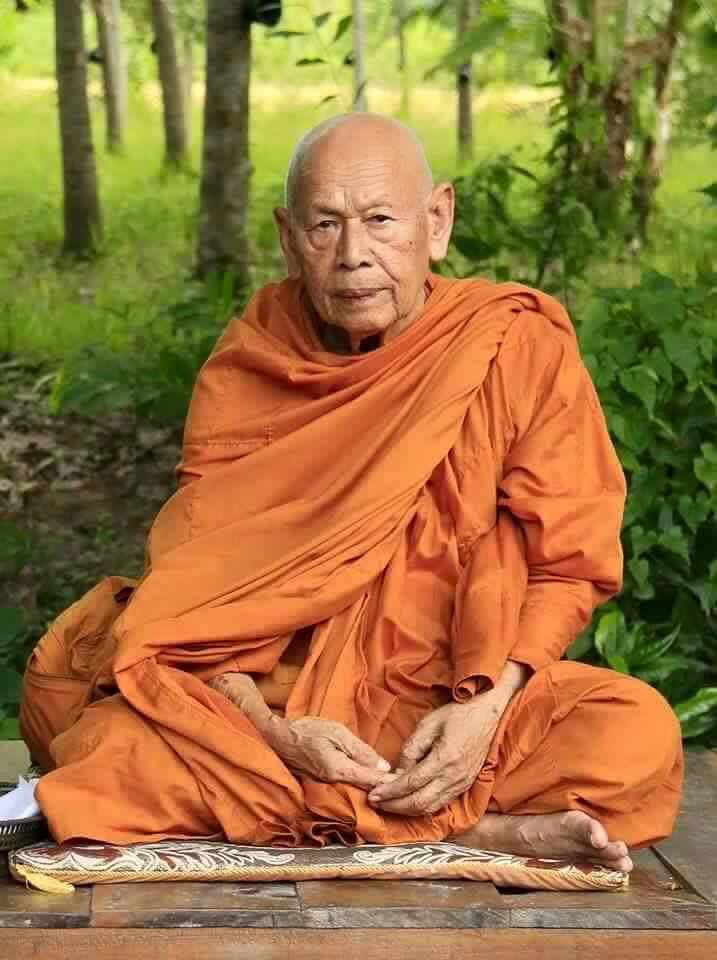
Featured Amulets
View all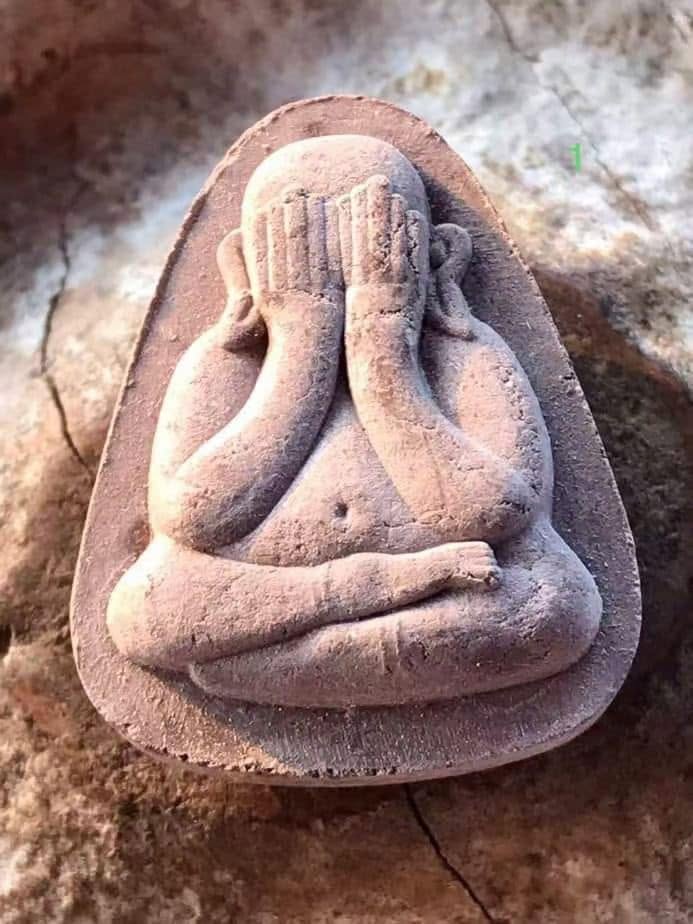
Knowledge Spotlight
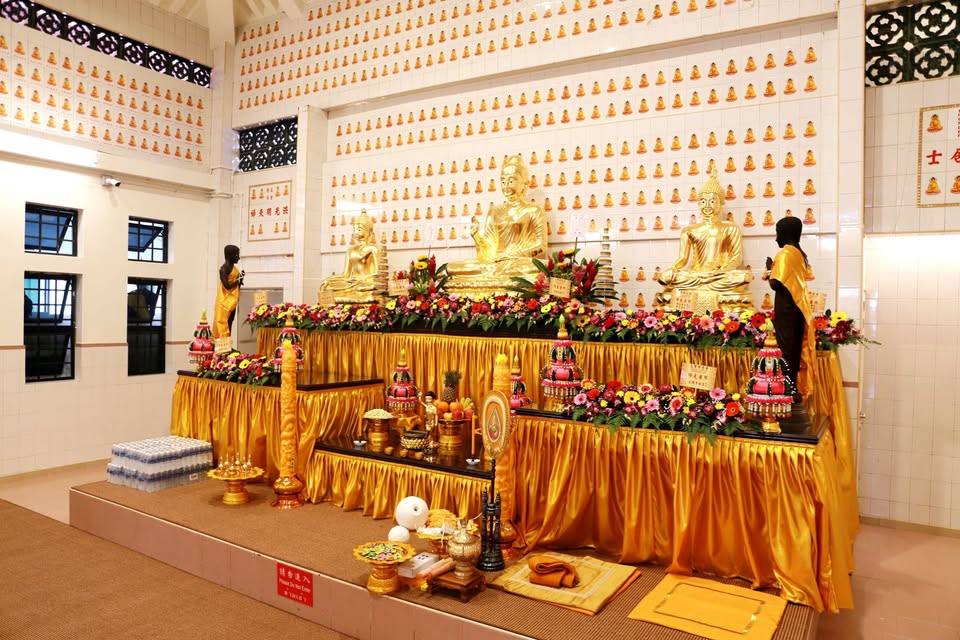
LORD BUDDHA TEMPLE
Lord Buddha Temple began as a home altar located at Jalan Asakaff, established by the late Mr. Lim Ah Keng, father of lay devotee Mr. Lim Chiew Hock. It was originally named “Buddhist Triple Gem Altar (佛教三宝坛).” Due to government land acquisition, Mr. Lim Chiew Hock relocated the temple in 1950 to 111B Lorong H, Telok Kurau, and officially registered it as “Lord Buddha Temple.” As the premises later became inadequate, the temple was relocated once more in 1989 to its current location at 24 Arumugam Road, where it continues to serve the community. FOUNDER Lay Buddhist, Lim Chew Hock was born in Thailand in 1932, and became acquainted with Thai Buddhism at a young age. He has frequently visited various temples in Thailand, tirelessly studied Buddhism, and made donations to temples and the underprivileged. In recognition of his contributions, he was conferred the Thailand Order of the Fifth Class White Elephant by the late King Rama IX, King Bhumibol Adulyadej, in 1986. Layman Lim Chew Hock has made significant contributions to the development of the Lord Buddha Temple. During the Telok Kurau period, Mr. Lim invited the renowned Four-Faced Buddha from Thailand to be enshrined as the principal deity of the Lord Buddha Temple. The connection between the temple and this sacred image is considered especially significant. According to historical accounts, the Four-Faced Buddha was bestowed by His Majesty King Bhumibol Adulyadej, the ninth King of Thailand (Rama IX). At the time, two Four-Faced Buddha statues were cast: one was enshrined at the famous Erawan Shrine in Bangkok, while the other was presented to Lord Buddha Temple. Upon its arrival in Singapore, the Four-Faced Buddha attracted considerable attention. As word spread among devotees, more and more people came to the temple to pray and seek blessings. The original temple site in Telok Kurau could no longer accommodate the growing number of devotees, and the temple eventually moved again to its present location on Arumugam Road. Yet the temple we see today was not built overnight. To fund the construction of the new temple, Mr. Lim mortgaged his bungalow in Telok Kurau and took out a bank loan. Together with donations from devotees, these efforts gradually brought the new temple into being. After the temple was completed, Mr. Lim went even further, selling his own home to help cover the temple’s ongoing daily expenses. Until 2019, as the elderly Lay Lim could no longer manage the daily operations of the temple, he decided to sell it and retire. In June 2023, Layman Buddhist Lim Chew Hock passed away at the age of 91. The Lord Buddha Temple has been officially taken over by the Lorong Koo Chye Sheng Hong Temple Association since November 9, 2019. Since then, a management committee has been established to oversee all temple affairs. To better serve the devotees and manage the temple, the committee initiated a refurbishment program on January 9 2020. On 9th January , 2020 (December 15th of the lunar calendar), the 30th Anniversary Celebration of Lord Buddha Temple and the Reconstruction and Completion Ceremony of the Temple were held successfully.
Latest Forum Discussions
View allOutfit when visiting temples
Here are the key guidelines for putting together the proper outfit: - **Cover shoulders and knees**: Both men and women should wear clothing that covers your shoulders and extends below the knees. - **Avoid shorts and skirts above the knee**: Shorts, miniskirts, and ripped jeans (especially those exposing skin above the knee) are generally not permitted. Long pants, maxi skirts, or capris that go well past the knee are best. - **Shirts with sleeves**: Tank tops, spaghetti straps, and bare shoulders should be avoided. T-shirts or blouses with sleeves are ideal. (If you forget, many temples selling souvenirs outside will also sell cheap sarongs or elephant pants to help you cover up!) - **Remove shoes before entering** : You must always take off your shoes before stepping into the main Buddha image hall (Ubosot or Vihara). It’s polite to slip on shoes that are easy to take on and off. - **Mind the graphics**: Avoid clothing with offensive language, inappropriate imagery, or disrespectful graphics concerning Buddha or religion. - **Remove hats and sunglasses**: Take off hats, caps, and sunglasses when entering shrine buildings or speaking closely with monks. Dressing modestly shows respect for local traditions and makes the experience much smoother! Let me know if you are planning to visit a specific temple or have questions about temple etiquette.
Understanding Thai Monk Titles: Luang Phor, Luang Pu, Ajahn, Lersi & the Formal Ranks
If you're new to Thai amulets, you'll quickly notice monks get addressed by different titles — **Luang Phor, Luang Pu, Luang Pi, Ajahn, Phra**, and sometimes **Lersi**. On top of that, there's a whole separate *formal* rank system (Chao Khun, Somdet, etc.) that shows up on temple plaques and amulet certificates. Here's how it all fits together. ## Part 1: The folk honorifics These are earned informally, through age, role, and community respect — not conferred by any authority. ### พระ Phra — "Venerable/Reverend" The base honorific for any ordained monk — the default prefix before a name (e.g. *Phra Somchai*). It can also stack onto the other folk titles below for extra formality: **Phra Ajahn** (e.g. *Phra Ajahn Mun*, *Phra Ajahn Chah*), **Phra Luang Phor** (e.g. *Phra Luang Phor Sod*), **Phra Luang Pu** (e.g. *Phra Luang Pu Tim*). It doesn't change seniority — it's just a more formal register, like saying "The Reverend Father ___" instead of "Father ___". ### หลวงพ่อ Luang Phor — "Venerable Father" The most common title for a respected, senior monk — usually an abbot. A father figure: senior, but not necessarily elderly. E.g. **Luang Phor Koon**, **Luang Phor Sod**. ### หลวงปู่ Luang Pu — "Venerable Grandfather" A step up in seniority and reverence from Luang Phor — reserved for very elderly, highly revered monks. It's common for a monk to be called Luang Phor earlier in life and Luang Pu once he reaches advanced age. E.g. **Luang Pu Mun**, **Luang Pu Tim**. ### หลวงพี่ Luang Pi — "Venerable [Elder] Brother" For younger, more junior monks — closer in age/standing to the speaker, like an older brother rather than a father or grandfather figure. ### อาจารย์ Ajahn — "Teacher" Not age-based at all — marks someone as a recognized **teacher/master**, most associated with meditation lineages like the Thai Forest Tradition (e.g. **Ajahn Chah**, **Ajahn Lee**). A monk can be an Ajahn regardless of whether he's also a Luang Phor or Luang Pu — it's a role, not a rung on the seniority ladder. ### ฤๅษี Lersi / Ruesi — "Hermit-Sage" Not a Buddhist monastic title at all — it comes from the older Hindu-Brahmanic ascetic tradition that predates and coexists with Thai Buddhism. Lersi figures are associated with folk magic, herbal medicine, and *wicha* (mystical knowledge), and show up constantly as amulet subjects. Some lay practitioners devoted to ascetic practice carry this honorific despite never being ordained. **Folk seniority, junior to senior:** Luang Pi → Luang Phor → Luang Pu, with Ajahn (role) and Lersi (outside the monkhood) sitting on their own separate axes. ## Part 2: The formal ecclesiastical ranks Separate from all of the above is **สมณศักดิ์ (samanasak)** — ranks formally conferred by the Sangha Supreme Council (historically bestowed by the King). This is the "official" ladder, and it runs independently of the folk titles. 1. **Phra (พระ)** — no ecclesiastical rank, the default for most monks. 2. **Phra Khru (พระครู)** — entry tier of conferred titles, often given to abbots of registered temples. 3. **Phra Rajagana (พระราชาคณะ)**, popularly called **"Chao Khun" (เจ้าคุณ)** — the same way Luang Phor/Pu function as folk shorthand, "Chao Khun" is the informal way people refer to a monk once he's elevated here. Has its own sub-classes running junior to senior (roughly Chan Sa → Chan Rat → Chan Thep → Chan Dharm). 4. **Rong Somdet Phra Rajagana (รองสมเด็จพระราชาคณะ)** — "Deputy Somdet," an intermediate tier. 5. **Somdet Phra Rajagana (สมเด็จพระราชาคณะ)** — "Somdet," held by relatively few monks at a time. 6. **Somdet Phra Sangharaja (สมเด็จพระสังฆราช)** — the **Supreme Patriarch**, head of the entire Thai Sangha. Only one person holds this at any given time. ## How the two systems combine You'll often see a monk's *formal* rank paired with his *folk* name in parentheses: > พระราชวุฑฒาจารย์ (หลวงปู่ดูลย์ อตุโล) > Phra Rajavuddhajarn (**Luang Pu Doon Atulo**) The first part is his conferred ecclesiastical title; "Luang Pu Doon" is how the community actually addresses him. Both are correct — they answer different questions ("what's his official rank?" vs. "how do people refer to him?"). A monk can hold formal rank without ever picking up a folk nickname, or be a beloved Luang Pu his whole life without holding rank above Phra Khru — the two ladders don't have to move together. ## tl;dr - **Folk titles** (Luang Phor/Pu/Pi, Ajahn, Phra as prefix) — informal, earned through age/role/community respect. - **Ecclesiastical rank** (Phra Khru → Chao Khun → Somdet → Sangharaja) — formal, conferred by the Sangha/King. - **Lersi** sits outside the Buddhist monkhood entirely. - They run in parallel and often appear together on temple plaques, biographies, and amulet certificates.
What can I do/not do when wearing amulet ?
Generally, there isn't any specific rules of wearing amulet. But it's more of treating the amulet as a form of respect. Some of the commonly knowned Do's and Don't(s) include: The Do's: - Wear above the waist: Keep the amulet around your neck. The head is considered the most sacred part of the body in Thai culture, while the feet are the lowest. - Remove during intimate activities: Take off your amulet before engaging in sexual activity, sleeping with a partner, or bathing. - Store in a clean, high place: When not wearing it, place it on an altar or a high shelf. It should never rest on the floor, on a chair, or near dirty clothes. - Uphold moral precepts: The protection of an amulet relies heavily on the wearer's karma. Strive to practice basic Buddhist precepts, such as avoiding harming others, lying, or stealing. The Don't(s): - Don't wear it below the waist: Never put an amulet in your pants pocket, bag stored on the floor, or wear it as an ankle bracelet. - Don't step over it: Avoid walking or stepping over your amulet, or placing it under a bed/clothesline where people might walk above it. - Don't wear it during inappropriate settings: Avoid wearing it while consuming excessive alcohol, visiting adult entertainment venues, or engaging in illegal activities. - Don't let others handle it disrespectfully: While friends can admire it, avoid letting others touch or play with it casually without reverence.
Welcome to SadhuSG
This community drives to spread the culture and knowledge with everyone. For any feedback and enquiries, please do not hesitate and email us at hello@sadhusg.com - Admin